The question traffic control companies almost never ask — and almost never can answer —...
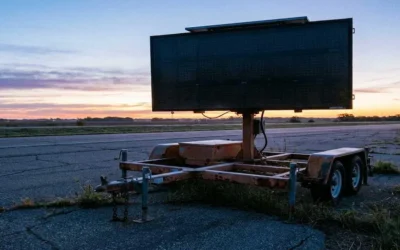
What Overnight PCMS Theft Costs a Traffic Control Company Per Year
read more
Spyder Platform | Rebuilt from the ground up

About The Author
Founder of INEX, USAF and USAFR fighter pilot, commercial airline pilot, and the engineering lead behind the Spyder Platform PCMS.

Rusty Latenser served nearly two decades as a USAF and USAFR fighter pilot, flying F-16s and F-4s from 1976 to 1995. After retiring from military service, he spent years as a commercial airline pilot before founding Information Exchange Network, Inc. (INEX) in 1994.
Drawing on a career built around precision engineering and zero tolerance for failure, Rusty set out to solve the problems that had gone unaddressed in the portable changeable message sign industry for decades — stolen components, unstable platforms, unreliable power systems, and equipment that put crews at unnecessary risk.
Today, he leads the design and engineering of the Spyder Platform PCMS, a full-size, full-matrix message board manufactured in El Reno, Oklahoma. His approach is simple: listen to the people who deploy and maintain PCMS equipment in the field, then engineer solutions that eliminate the problems they deal with every day.
Questions? Give us a call.

The question traffic control companies almost never ask — and almost never can answer —...
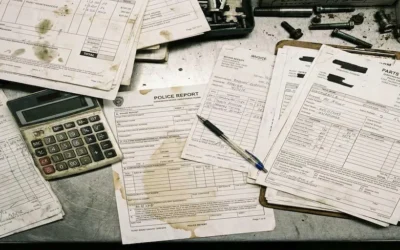
Most traffic control operators know their fleet is getting hit by theft. They have seen...

Lithium-Ion Batteries (LiON) Energy Density: Higher energy density, meaning they can...

Theft from PCMS trailers is treated in most operations the way a slow leak in a tire is...
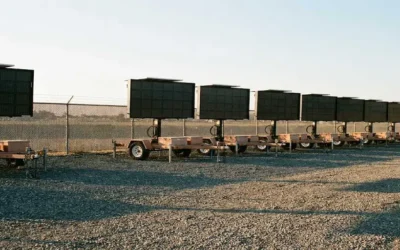
Purchase price is how most PCMS procurement decisions get made. It is the number in the...
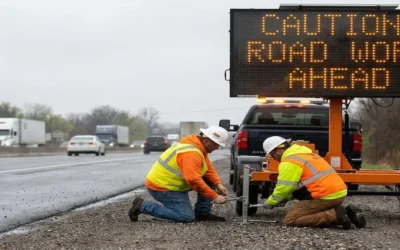
Two-person PCMS setup has been standard practice long enough that most operations treat...
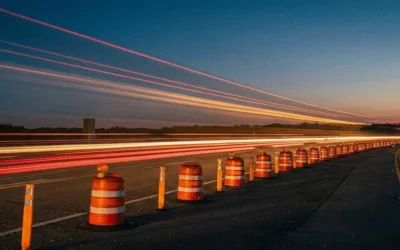
Setup time is how long a deployment takes. Most operations track it loosely — as part of...
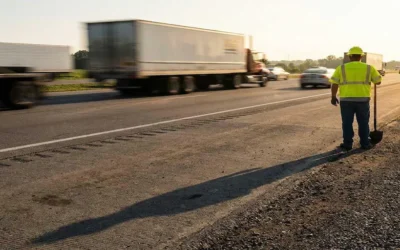
Every minute a worker spends on a live shoulder is a minute of documented exposure to...

LFP charge management refers to the rules, controls, and protections required to safely...